present-in-html skill, every layout
Northwind Array
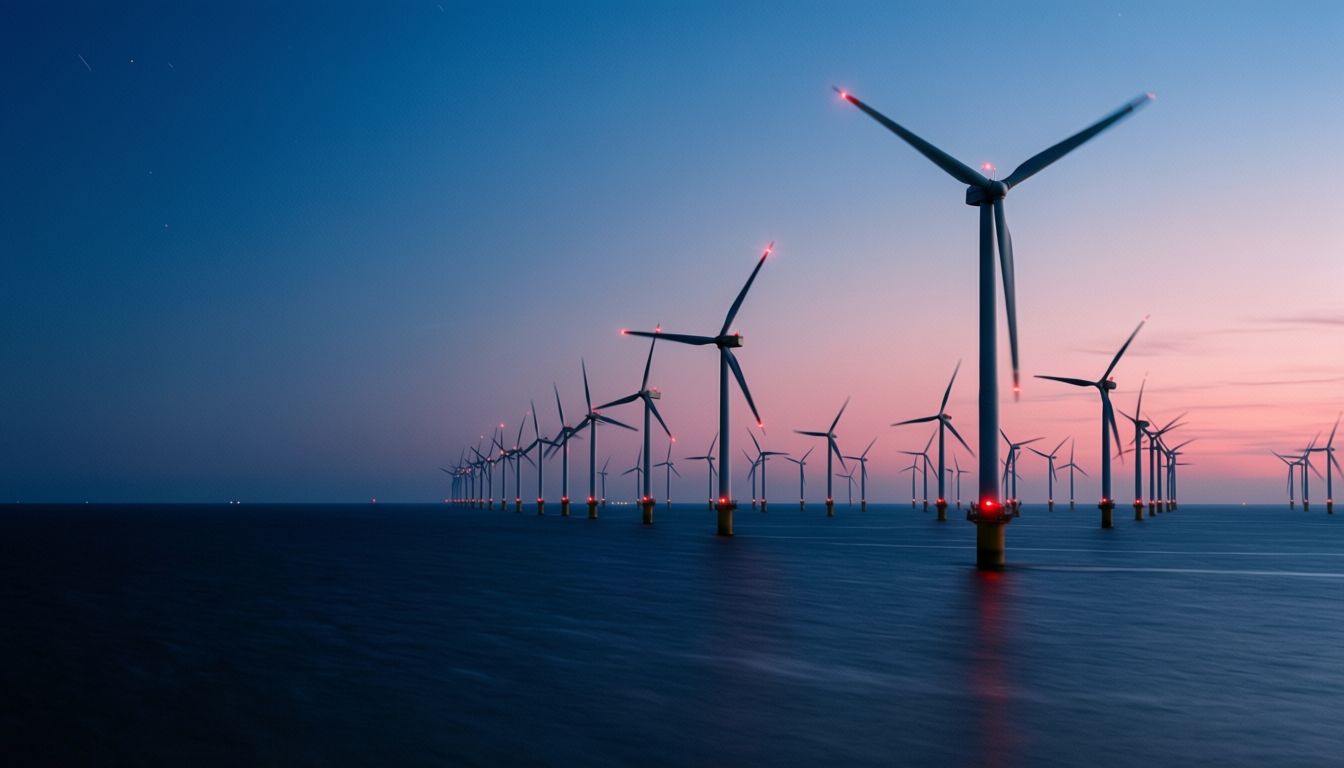
A fictional offshore wind farm, told once in each of the template’s 28 layouts.
Example deckPress S for 32 themesOctober 2026
Agenda
- The site and the machine 5 min
- The numbers 10 min
- Building it 10 min
- Running it 5 min
Part one
1
The site and the machine
Eighty turbines, 45 km out, in 38 m of water.
One turn of the rotor powers a home for three days.
Why this stretch of sea
- Steady wind. 10.2 m/s average at hub height.
- Shallow banks. 30 to 45 m, deep enough for monopiles.
- A grid with room. Spare capacity at the coastal substation.
- A port close by. 70 km to a quay that can take the blades.
Monopile or jacket
Monopile
- One steel tube, 10 m wide
- Fast to drive, cheap to make
- Best up to about 45 m of water
Jacket
A four-legged lattice pinned with small piles. Lighter in steel, slower to install, and the choice for the deep north-east corner.
Now, next, later
Now
Seabed survey and cable route design.
Next
Foundations go in over two summers.
Later
Turbines, first power, then a 30-year run.
The people
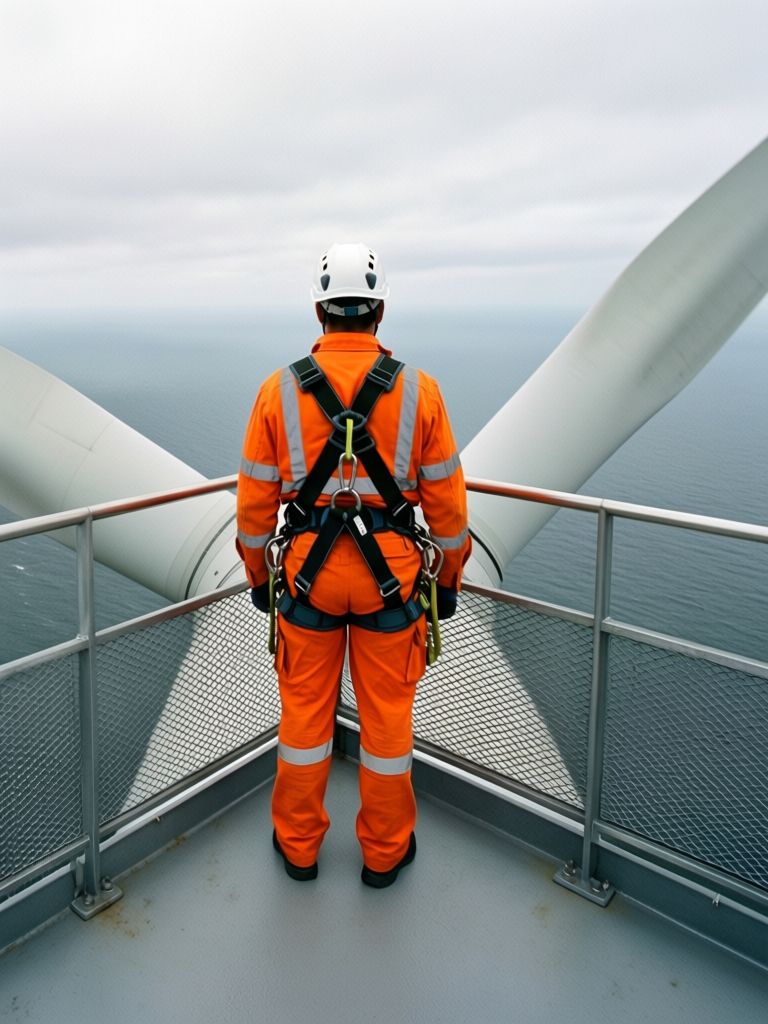
Work happens 150 m up
Technicians reach the nacelle by boat and ladder, and work in pairs on ropes. Weather decides every shift.
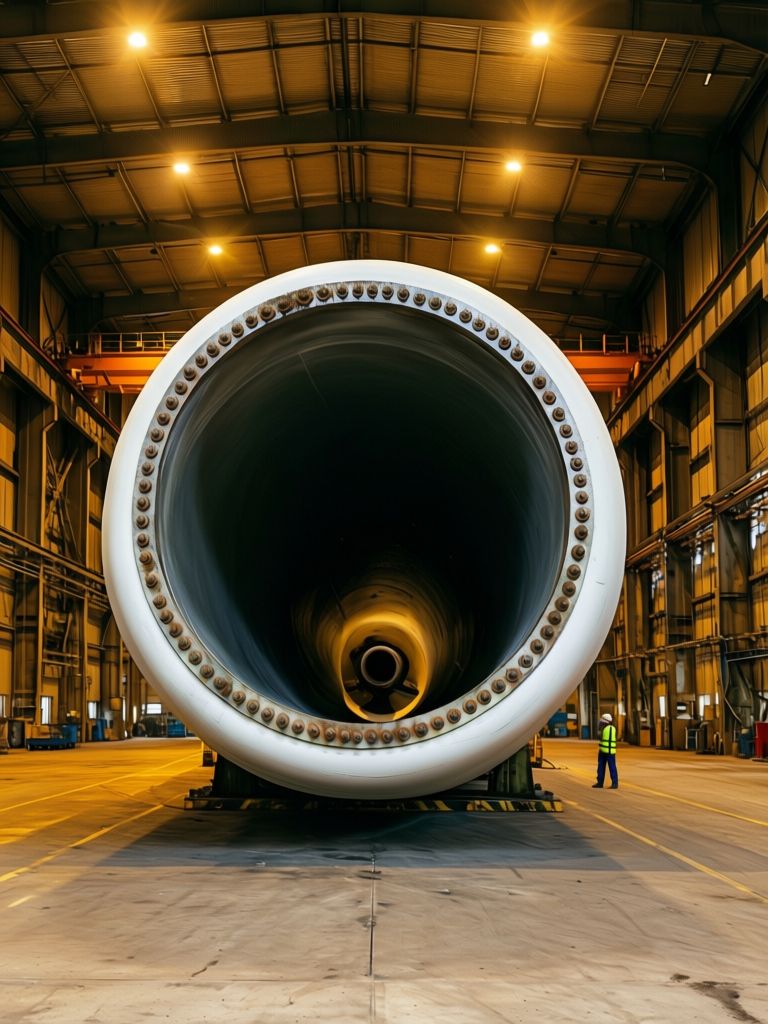
A blade longer than a football pitch
- 115 m of glass and carbon fibre
- Bolted on with 200 studs
- Built in one piece, shipped one at a time
Installation
One blade, one lift, one calm morning
Cranes stop at 12 m/s of wind, so crews wait for the window.
Planned yearly output
4.6TWh
About the electricity used by 1.3 million homes.
Fictional figures. 1.2 GW at a 44% capacity factor.
The farm in three numbers
80Turbines of 15 MW
236mRotor diameter
44%Capacity factor
Winter does the heavy lifting
Expected output by month, in gigawatt-hours.
| Month | GWh |
|---|
| Jan | 520 |
| Mar | 440 |
| May | 300 |
| Jul | 250 |
| Sep | 350 |
| Nov | 480 |
Fictional yield model, alternate months shown.
Choosing the turbine
| 12 MW | 15 MW | 18 MW |
|---|
| Turbines for 1.2 GW | 100 | 80 | 67 |
|---|
| Track record | Five years | Three years | Prototype |
|---|
| Port fit | Yes | Yes | Quay upgrade |
|---|
From survey to first power
Survey
Seabed, birds, wind.
Consent
Permits and grid offer.
Foundations
80 monopiles driven.
First power
Turbines online in rows.
How a turbine goes in
Drive
Hammer the monopile into the seabed.
Connect
Bolt on the transition piece.
Lift
Tower, nacelle, then three blades.
Energise
Pull in the cable and test.
The electrical path
From rotor to the grid
Simplified. A real farm of this size needs two export cables.
Power in the wind
One turbine at 10 m/s
P = ½ρAv3Cp = 12.9 MW
- ρ
- Air density, 1.225 kg/m³
- A
- Swept area, 43,700 m²
- Cp
- Power coefficient, 0.48
Turbine T-14
A gearbox alarm on a winter night
What happened
Vibration rose over six hours in a storm. The turbine stopped itself before anyone was called.
Finding
A worn bearing, caught early. Replaced at the next calm spell.
Vibration7.8mm/s
Oil temp62°C
Wind19m/s
- Vibration starts to climb
- Turbine stops itself
- Remote check confirms the bearing
Why we chose a bigger turbine
The port can handle blades up to 120 m long.
Every foundation costs the same, whatever sits on top.
Fewer, larger turbines
Eighty instead of a hundred: twenty fewer foundations and cables.
Quick check
Wind speed doubles. How much more power is in the wind?
- Two times
- Four times
- Eight times
- The same
The next phase
$90MThe gap to a final decision. $150M is committed.
- Surveys45%
- Grid deposit35%
- Permits20%
Capacity factor in four lines
    rated_mw = 1200
    hours = 8760
    produced_mwh = 4_620_000
    print(produced_mwh / (rated_mw * hours))  # 0.44
The sea decides the schedule. We just listen to it.
Site managerNorthwind Array (fictional)
The project team
Sara NilsenProject director
Omar AzizGrid and cables
Jonas MeyerMarine operations
Lucia CostaEnvironment
Questions welcome
Thank you
Northwind ArrayA fictional projectMade with the present-in-html skill: hisham-abuella.github.io/present-in-html
Appendix
Backup slides and sources.
Sources and credits
Northwind Array A fictional project. Every figure is a round, realistic number for illustration only.
Power in the wind P = ½ρAv³Cp, the standard formula for wind turbine output.
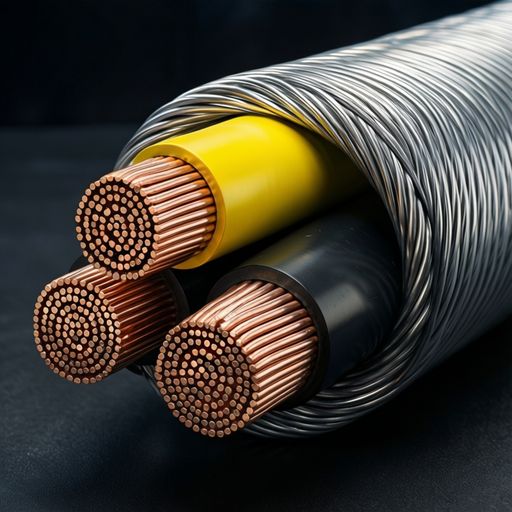
Photos and textures Generated locally with the Qwen Image model in Draw Things, October 2026.